
 en
en


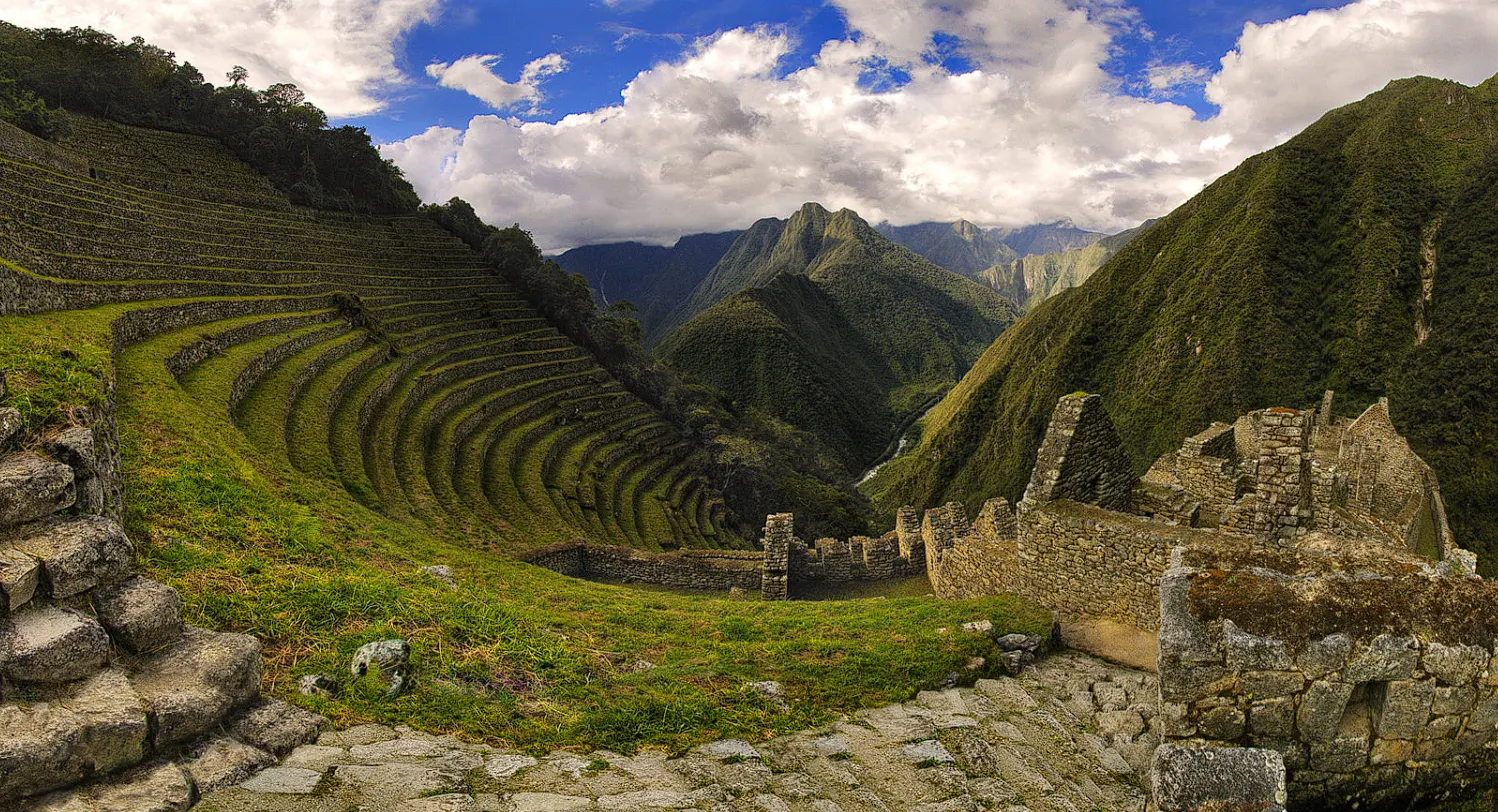
Peru issues 500 Inca Trail permits a day for the Classic 4 Day route, and that number includes guides, cooks and porters. Only about 200 places a day go to trekkers. The Short 2 Day Inca Trail has its own separate quota of 250 permits a day.
Permits are tied to your passport, non refundable and non transferable, and can only be bought through a licensed operator. The trail is closed every February.
If you are planning an Inca Trail 2027 trek, this guide covers when permits are released, which months sell out first, what everything costs, and what to do if your dates are already gone.
Check Inca Trail Permit Availability
Check real-time Inca Trail permit availability for 2027and see which departure dates still have permits available before they sell out. Select either the Short Inca Trail 2 Days or Classic Inca Trail 4 Days, then choose your preferred month to view available departure dates.
If your preferred departure date is available, please contact us. Our team will guide you through the booking process and help you secure your Inca Trail permit as quickly as possible. Contact an Expert
Inca Trail Availability Calendar
If you are researching:
- Who Regulates and Protects the Inca Trail?
- Important Inca Trail Permit Rules Before Booking
- Classic 4 Day Inca Trail Permit Availability
- Short Inca Trail 2 Days availability
- 4 Day vs 2 Day Inca Trail: Which One Is Right for You?
- Inca Trail Availability Calendar 2026 (Month-by-Month Strategy)
- How to Check Inca Trail Permit Availability in Real Time
- Best time to book the Inca Trail 2027
- What happens if Inca Trail permits are sold out
This guide will help you plan ahead and make sure you get your permit.
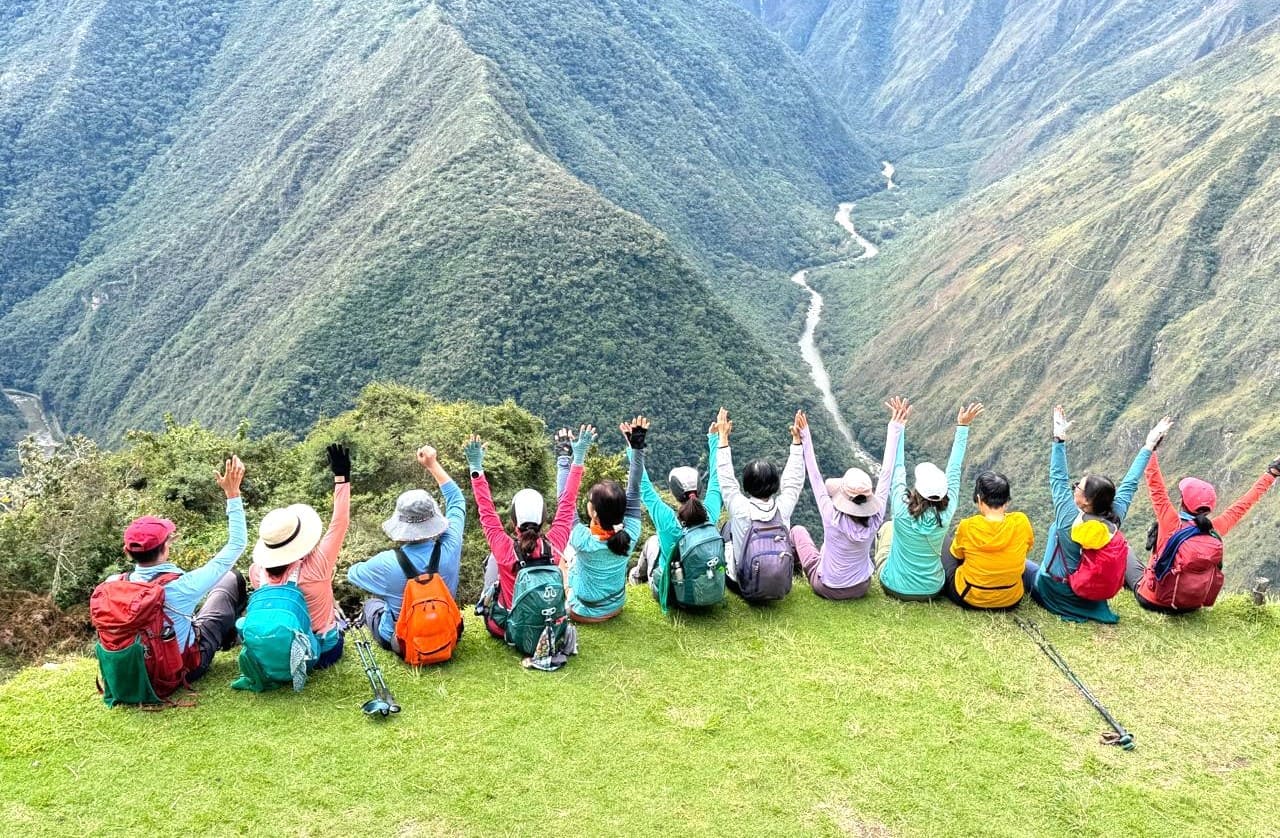
Quick Overview: The Permit Facts That Matter
Fact | Classic 4 Day | Short 2 Day |
Daily permits issued | 500 total | 450 total |
Places for actual trekkers | Around 200 | Higher share, no large porter teams needed. |
Distance | 43 km / 26 miles | 12 km / 7.5 miles |
Highest point | Dead Woman's Pass, 4,215 m | Sun Gate, 2,720 m |
Recommended booking window | 6 to 8 months | 3 to 4 months |
February | Closed | Closed |
Refundable or transferable | No | No |
Independent hiking is not permitted on either route. You cannot buy a permit yourself.
Permit Rules You Need to Know Before Booking

These rules are enforced strictly, and getting them wrong usually means losing your permit and your money.
- Permits are non refundable. If you cancel, the money is gone. The Ministry of Culture does not reimburse operators.
- Dates cannot be changed. A new date means buying a new permit at full price.
- Names must match your passport exactly. No nicknames, no abbreviations, no middle names left off.
- You must carry the same physical passport you booked with. Photocopies, photos and expired passports are refused at the checkpoint.
- Campsites are assigned by the government, not chosen by your operator.
- Independent hiking is prohibited. Every trekker must be with a licensed operator.
If you are renewing your passport before your trek, book with your current number and tell your operator as soon as the new one arrives so the details can be updated properly.
Who Regulates the Inca Trail?
Two Peruvian institutions manage the route together:
- The Ministry of Culture, which protects the archaeological sites and issues the permits
- SERNANP, the national protected areas service, which manages the natural sanctuary
The Historic Sanctuary of Machu Picchu was created in January 1981 and recognized by UNESCO in 1983 as a mixed World Heritage Site, one of only a handful in the Americas with both cultural and natural status.
SERNANP's official sanctuary page records 340 orchid species inside the sanctuary, roughly 20% of all species identified in Peru, alongside species like the spectacled bear and the Andean cock of the rock.
The Inca road network inside the sanctuary is divided into six official routes, four long and two short, covering more than 30 km and crossing three passes above 4,000 m.
Why the limits work in your favour
The daily cap is what keeps the trail from becoming a queue. It means:
- Controlled flow of hikers, so campsites are not overrun
- Less wear on original Inca stonework
- Quieter trails and better photographs
- A trekking experience that still feels remote
The permit system is inconvenient to book around. It is also the reason the trail is still worth walking.
Why These Regulations Protect Your Experience
While limited permits may seem restrictive, they ensure:
- Controlled visitor flow
- Preserved archaeological sites
- Less crowded trails
- Better environmental conservation
- Higher quality trekking experience
If these rules were not in place, the Inca Trail would soon become overcrowded.
The permit system helps protect Machu Picchu’s heritage and keeps your trekking experience authentic.
Classic 4 Day Inca Trail Permit Availability
The official quota is 500 permits per day, covering trekkers, licensed guides, cooks and porters. Because a four day camping trek needs a large support team, only around 200 of those places go to travelers.

That is the number people underestimate. When you read "500 permits a day", the figure that actually applies to you is closer to 200.
Peak dates in June, July and August have sold out within hours of release in recent seasons. May and September follow close behind. Holiday periods and dates near Inti Raymi fill early too.
Once the 500 are gone for a given date, that date is permanently closed. Cancelled permits do not return to the system.
Full route details are on our 4 Day Classic Inca Trail page.
Short Inca Trail 2 Day Permit Availability
The Short Inca Trail has its own daily quota of 250 permits, also covering trekkers, guides and support staff. Because there is only one hiking day and no camping, the team is much smaller, so a higher proportion of those 250 places go to travellers.

The route starts at Km 104 at about 2,100 m, climbs roughly 550 m to Wiñay Wayna, and tops out at the Sun Gate at 2,720 m before descending into Machu Picchu.
It suits travellers who:
- Have limited time in Peru
- Prefer one hiking day to three
- Want less altitude exposure
- Still want to arrive through the Sun Gate
Is it easier to get Short Inca Trail permits?
Generally yes, but not in high season. Demand peaks between May and August, partly because travellers who miss out on Classic permits move across to this route.
Book 3 to 4 months ahead for most dates, and earlier for June through August.
See the full itinerary on our 2 Day Short Inca Trail page.
Short trail permit rules worth knowing
- No upgrades. A Short Inca Trail permit cannot be converted into a Classic permit.
- Fixed train timing. Your permit sets a specific entry time at Km 104. Missing your train means missing your trek, with no refund.
- Same passport rules. Your original passport is checked at Km 104 and again at Machu Picchu.
4 Day vs 2 Day: Which Permit Should You Chase?
Feature | 4 Day Classic Inca Trail | 2 Day Short Inca Trail |
| Distance | 43 km / 26 miles | 12 km / 7.5 miles |
Highest Point | 4,215 m (Dead Woman's Pass) | 2,720 m (Sun Gate) |
Nights | 3 nights camping | 1 night in a hotel |
Physical Level | Moderate to challenging | Moderate |
Daily permits | 500 total, about 200 for trekkers | 250 total |
Booking window | 6 to 8 months | 3 to 4 months |
Best for | Full immersion, multiple ruins, the classic experience | Limited time, families, no camping |
Both routes end the same way, walking into Machu Picchu through Inti Punku. The difference is how long you spend getting there.
If you want the Classic trek with proper acclimatisation built in beforehand, the Best Inca Trail Package 7 Days combines Cusco, the Sacred Valley and the four day trek in one itinerary.
Inca Trail Availability Calendar 2026 (Month-by-Month Strategy)

Understanding seasonal trends allows for more effective planning.
January: Moderate availability. The rainy season brings fewer crowds.
February: Closed for maintenance.
March: Good availability as the rainy season ends.
April: The dry season begins and permits fill more quickly.
May: High demand. Early booking is recommended.
June: Peak season. Permits often sell out well in advance.
July: Peak season. Permits are frequently sold out months ahead.
August: Very high demand; availability is limited.
September: Still popular with moderate demand.
October: Offers a good balance of favorable weather and permit availability.
November: Good availability with fewer hikers on the trail.
December: Moderate demand, influenced by holiday travel.
If your travel dates are flexible, consider shoulder months such as April, September, or October for an optimal balance of weather and permit availability.
Contact us for personalized guidance on selecting the best month, considering both availability and weather conditions.
Check Inca Trail Permit Availability Online | 2026 Calendar
Planning to hike the Inca Trail in 2026? Use our live permit availability calendar to view remaining permits by departure date and find the best time to secure your trek to Machu Picchu. Availability changes daily, and permits often sell out months in advance, especially during the peak season from May to September.
Here is how we secure your spot:
- Send us your ideal travel dates and a backup window.
- We will check the live government database and confirm availability within minutes.
- Provide your passport details and a deposit, and we will lock in your permit instantly.
Best Time to Book the Inca Trail in 2027
Travel month in 2027 | 4 Day Classic Inca Trail |
| June, July | Before the permit release, ideally by September 2027 |
May, August | 6 to 8 months ahead |
Mid April, September, October | 4 to 6 months ahead |
January, March, November, December | 3 to 4 months ahead |
February | Trail closed, choose an alternative |
A simple rule: if your international flights are fixed, your Inca Trail permit should be the very next thing you book. Not hotels, not trains. The permit is the most limited part of any Peru itinerary.
Why early booking helps beyond just getting a date
- Your preferred departure is guaranteed
- Better campsite allocation on the Classic route
- More return train options after Machu Picchu
- Room to switch between the 4 day and 2 day trek while both are still open
How to Check Inca Trail Permit Availability
Availability is held in a government system that only licensed operators can access. There is no public portal where you can check it yourself, which is why availability calendars on operator sites are simply mirrors of that data.
Here is how we handle it:
- You send your ideal dates and a backup window.
- We check the live government database and confirm within minutes.
- You send passport details and a deposit, and the permit is locked in.
You can view current availability on the calendar on this page, then contact our team to confirm.
What Inca Trail Permits and Treks Cost
The permit itself is not sold separately to travellers. It comes as part of a trek package, which is why comparing "permit prices" is not really possible.
Here are our all inclusive rates, covering permits, licensed guides, porters, meals, camping equipment, train and the Machu Picchu entrance.
Classic 4 Day Inca Trail
Service | 4 Day Classic Inca Trail |
| Group departure, maximum 8 hikers | $820 USD |
| Private, 2 to 3 people | $1,150 USD |
Private, 4 to 5 people | $1,050 USD |
| Private, 6 to 7 people | $950 USD |
Private, 8 or more | $850 USD |
Short 2 Day Inca Trail
Service | 4 Day Classic Inca Trail |
| Group departure, maximum 8 hikers | $520 USD |
| Private, 2 to 3 people | $700 USD |
Private, 4 to 5 people | $650 USD |
| Private, 6 people | $600 USD |
Private, 7 or more | $550 USD |
| Students with valid ID, children 5 to 12 | $495 USD |
A $200 deposit per person confirms your booking. That deposit buys the permit itself, which is why it is non refundable.
What Happens If Inca Trail Permits Are Sold Out
Here are the most common and important questions travelers ask when looking into Inca Trail permit availability.
Option 1: Shift your dates. Moving one to three days either side often opens availability, especially outside June and July.
Option 2: Take the Short Inca Trail. Separate quota, later sell out, same Sun Gate arrival.
Option 3: Choose an alternative trek. The Salkantay Trek needs no Inca Trail permit, crosses genuinely spectacular high country, and still finishes with a guided visit to Machu Picchu. Lares and Ausangate work the same way.
Option 4: Go by train. Machu Picchu itself is open all year. A train tour from Ollantaytambo gets you there comfortably without any trail permit at all.
Can you get last minute permits?
Rarely for the Classic route, occasionally for the Short trail.
Because permits are non transferable, cancellations are not resold. What does sometimes happen is that operators release unsold blocks close to departure, and the Short Inca Trail can show pockets of availability a few weeks out. It is worth asking, but it is not a plan.
Rules at Machu Picchu Itself
Your trail permit gets you onto the route. The citadel has its own conditions of entry.
The official code of conduct limits bags to 40 x 35 x 20 cm and prohibits food, aerosols, umbrellas, walking sticks, tripods and selfie sticks inside the monument. Spray sunscreen counts as an aerosol. Bring lotion.
Visitors follow an assigned circuit and cannot switch routes at the gate.
Book Your Inca Trail 2027 Permit Early
Champions Peru Travel is a licensed local operator based in Cusco. We run small groups of up to eight, with local guides, professional trekking chefs, fairly paid porters and all inclusive pricing.
For an Inca Trail 2027 trek in high season, the useful step today is simple: send us your dates and passport details so your permit request is ready before the calendar opens.
Send us an enquiry, WhatsApp or call +51 986 029 262, or email info@championsperutravel.com.
FAQs
How many Inca Trail permits are available per day?
For the Classic 4 Day Inca Trail, only 500 permits per day are issued. This includes:
- Tourists
- Guides
- Cooks
- Porters
Only around 200 permits are available for travellers.
For the Short Inca Trail 2 Days, 250 permits per day are issued, including tourists and staff.
These numbers are set by regulation, so once permits are gone, no more can be added.
When do Inca Trail permits sell out?
High season (May to September) sells out fastest.
- June and July often sell out 6–8 months in advance
- May and August typically sell out 4–6 months early
- Holiday periods fill quickly
Low season months offer more flexibility but still require planning ahead.
If you want to hike in summer 2026, it’s best to book as soon as permits become available.
Can I book the Inca Trail at the last minute?
Last-minute booking is possible in low season and only if permits remain available.
In peak months, last-minute bookings are risky.
If permits are sold out, your only options are:
- Adjusting travel dates
- Booking the Short Inca Trail
- Choosing an alternative trek
- Visiting Machu Picchu by train
Avoid last-minute stress by confirming your permit early.
Can I change my Inca Trail permit date after booking?
No.
Inca Trail permits are:
- Non-refundable
- Non-transferable
- Non-modifiable
Your permit is linked directly to your passport number. Once issued, the date cannot be changed.
This is why double-checking your travel schedule before booking is important.
Does the Inca Trail permit include the Machu Picchu entrance?
Yes.
Your Inca Trail permit includes official entry to the Machu Picchu Circuit N° 3 on the final day of the trek.
However:
- It does not automatically include Huayna Picchu or Machu Picchu Mountain
- These require additional permits (subject to availability)
If you want to hike Huayna Picchu, you must request it at the time of booking.
Is the Short Inca Trail easier to book than the 4 Day Inca Trail?
Generally, yes, but it still sells out during high season.
Because the Short Inca Trail only allows 250 permits per day, availability is limited.
Many travellers choose the 2-day option after discovering the 4-day trek is sold out, which increases demand.
If you are flexible, checking availability for both options increases your chances of securing a spot.
Ask our team to check availability for both 4 Day and 2 Day Inca Trail options.