
 en
en


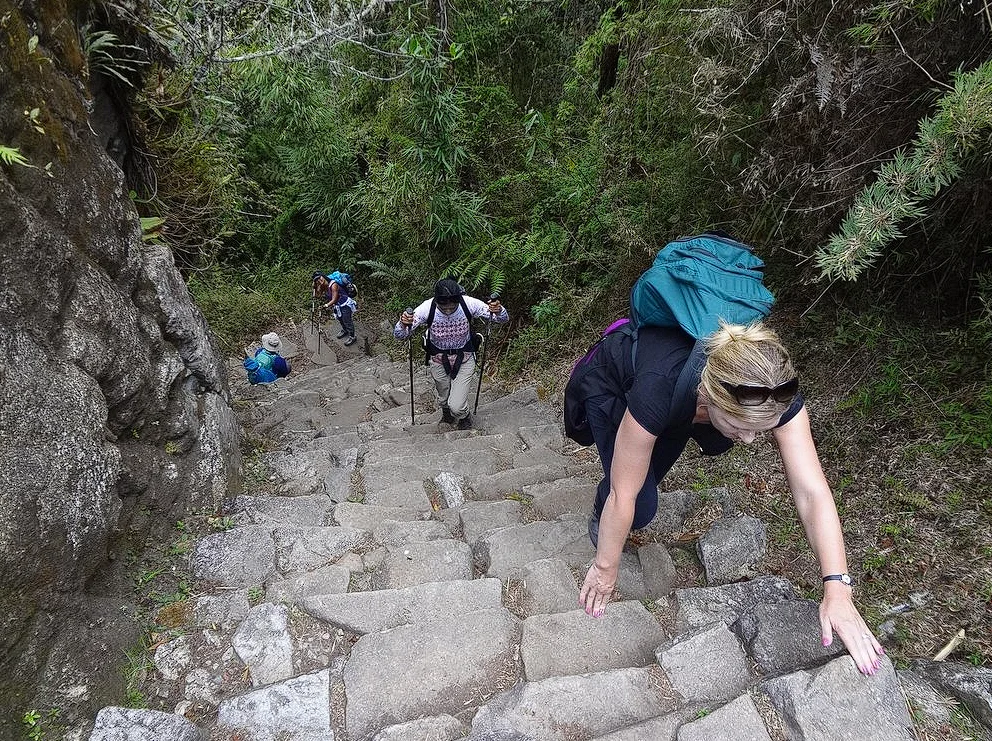
The Inca Trail is not just a walk through the mountains - it’s a journey through time. Winding past ancient Inca ruins and cloud forests, the trail culminates at the Sun Gate overlooking Machu Picchu.
So, how difficult is the Inca Trail? It is generally considered a moderate to challenging trek. It does not require technical climbing. However, high altitude, steep stone steps, long hiking days, and changing weather can make it physically demanding. With proper preparation, most travelers with a reasonable level of fitness can complete the trek successfully.
This in-depth guide explains what makes the Inca Trail challenging, how to prepare physically and mentally, and the different Inca Trail options available, from the Classic Inca Trail to luxury glamping experiences. Whether you are considering the four-day trek or the 2-Day Short Inca Trail, you will find practical advice to help you plan confidently and decide if this iconic adventure is right for you.
Quick answer: How hard is the Inca Trail?
The classic Inca Trail covers about 42–43 km (26–27 mi) over four days. Most hikers describe it as moderate to challenging. The difficulty comes from the combination of altitude, steep stone steps, and variable weather, rather than technical climbing.
The highest point, Dead Woman’s Pass (4,215 m), sits where oxygen levels are roughly 60% of sea‑level. With proper acclimatization, gradual training, and a steady pace, almost anyone with a reasonable fitness level can complete the trail.
What Makes the Inca Trail Challenging?
Distance and elevation
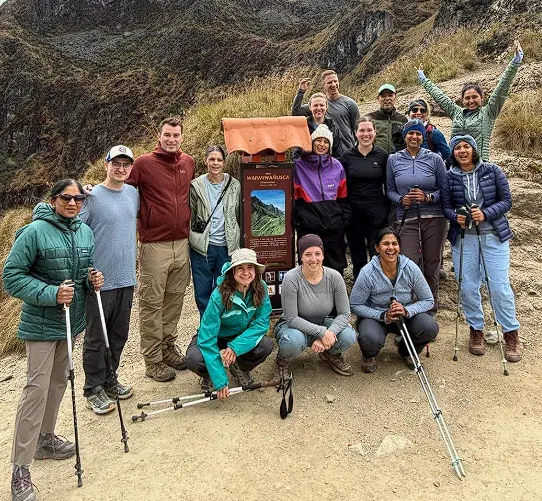
The Inca Trail isn’t the longest trek in Peru, but its 43 km length is packed with variety. You’ll climb thousands of stone steps and cross three mountain passes, with daily hikes of 6–10 km. The trail begins near KM 82 at 2,600 m and reaches up to 4,215 m (Dead Woman’s Pass) before descending to Machu Picchu. Another pass, Runquraqay, is 3,975 m high.
Altitude and oxygen levels
Altitude is often the hardest part of the trek. As you ascend above 3,000 m, the air thins, causing shortness of breath, headaches, and fatigue. At Dead Woman’s Pass, oxygen is about 60% of sea‑level. Proper acclimatization - spending at least two days in Cusco or the Sacred Valley - allows your body to adjust. Walking slowly, drinking water, and avoiding alcohol help mitigate symptoms.
Steep stone steps and varied terrain
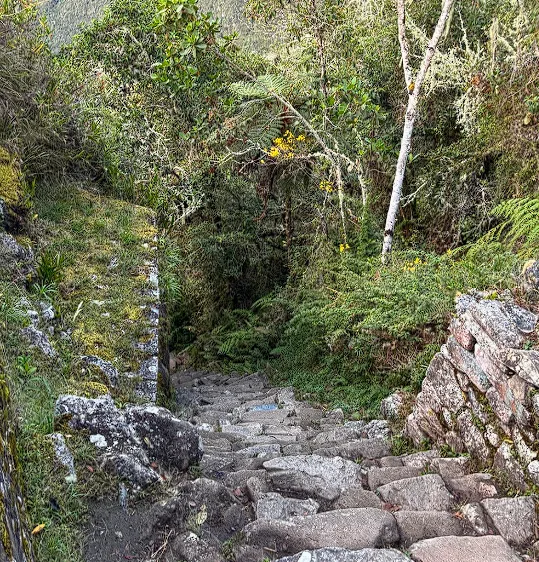
The trail alternates between long climbs, narrow stone staircases, and steep descents. Trekking poles help with balance and reduce knee strain. Terrain varies from exposed ridges to humid cloud forests.
Guides describe three main environments: high mountain passes (cool, thin air), cloud forest descents (humid and slippery), and archeological ridges with frequent ups and downs. Each requires different pacing and gear; steady walking at a conversational pace helps conserve energy.
Weather and seasons
Dry season (May – September) brings clear skies but cold nights, while the wet season (November – April) has heavy rain and muddy paths. Temperatures at Machu Picchu average around 20 °C (68 °F) by day and drop to 8 °C (46 °F) at night. In high camps, overnight temperatures can fall below freezing. Pack layers and waterproof gear to handle sudden changes in weather.
Training and Fitness Requirements
Moderate fitness is enough
Contrary to what many think, you don’t need to be an athlete to hike the Inca Trail. Guides say that anyone able to walk 10–12 km (6–8 mi) with hills and stairs can complete the trek. The biggest adjustment is hiking several days in a row at altitude.
Start training 8–10 weeks ahead
A gradual training plan builds endurance and leg strength. A travel guide recommends starting eight to ten weeks before your trek. Key components include:
- Walking & hiking: Begin with two to three walks a week of 45–60 minutes. Gradually add hills or stairs to simulate the trail.
- Strength training: Exercises like squats, lunges, and step‑ups build leg muscles; planks improve core stability.
- Cardio conditioning: Cycling, swimming, or running enhances lung capacity. Consistency is more important than intensity.
- Practice with gear: Train wearing your hiking boots and carrying a load similar to your daypack to prevent blisters.
- Mental preparation: Practice mindfulness and slow breathing; remember that patience and presence are as important as fitness.
Acclimatization tips
Spend at least two full days in Cusco or the Sacred Valley before your trek. Walk slowly, drink water, and avoid alcohol during your first days at altitude. Coca tea may relieve mild symptoms. If concerned about altitude sickness, consult your doctor about medication like acetazolamide. Always listen to your body and communicate with your guide.
Classic 4‑Day Inca Trail Difficulty
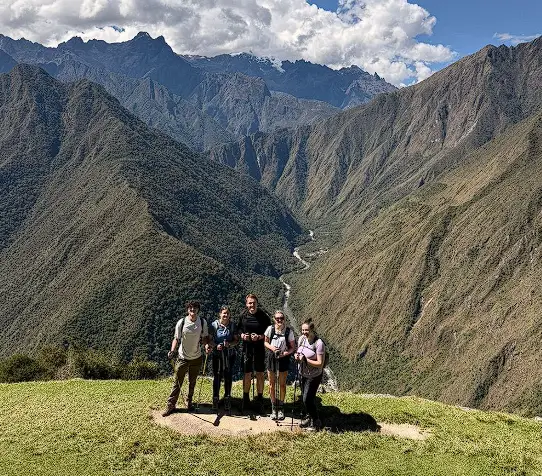
Daily itinerary and challenges
- Day 1: Start at KM 82 (2,600 m) and hike to Wayllabamba (3,100 m). The route includes a gentle climb past Llactapata ruins.
- Day 2: Tackle the steep ascent to Dead Woman’s Pass (4,215 m) - the toughest part of the trek - then descend into the Pacaymayo Valley. Expect a continuous uphill section for three to five hours. Take frequent breaks and use trekking poles for support.
- Day 3: Cross Runquraqay Pass (3,975 m). Descend via Phuyupatamarca and Wiñay Wayna ruins, experiencing both high altitude and lush cloud forest.
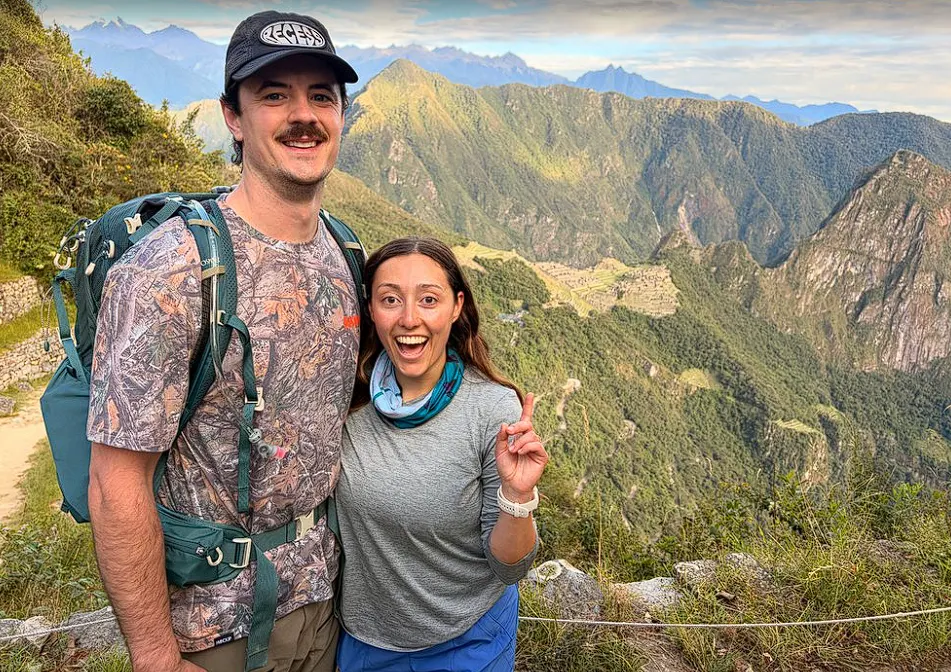
- Day 4: Wake before dawn and hike to Inti Punku (Sun Gate) for your first view of Machu Picchu. Descend to the citadel for a guided tour.
Support on the trail
Licensed guides lead all treks, and porters carry tents, cooking equipment, and up to 7 kg of your personal gear. Guides carry first‑aid kits and oxygen bottles; evacuation plans are in place for emergencies. Rest stops are scheduled, and camp meals are hearty. Most trekkers acclimatize by the second night and sleep deeply.
Variation by trek style
Standard treks: Offer shared tents and basic campsites. You still enjoy three meals daily and the camaraderie of the group. Prices range from USD 745 to 900 for a four‑day package.
Luxury treks: Provide glamping comfort with spacious tents, stretcher beds, duvets, portable bathrooms, and gourmet meals. The hiking distance and altitude are the same; the difference is comfort at camp. Luxury packages cost upwards of USD 3,500.
Short (2‑Day) Inca Trail Difficulty
The Short Inca Trail offers a condensed challenge for travellers with limited time and is considered an easy to moderate hike. Starting at KM 104, this route covers 11–12 km and takes 6–7 hours. You hike through cloud forest ruins like Chachabamba and Wiñay Wayna, reach the Sun Gate late in the afternoon, and sleep in a hotel in Aguas Calientes. The next morning, you return for a guided visit to Machu Picchu.
Although shorter, this trek still involves steep ascents and a long day of walking. It’s perfect for moderately fit travellers who want the thrill of hiking into Machu Picchu without camping. Permits are required and must be booked through an authorized operator. Pack light - Machupicchu enforces backpack size limits.
When to Go and How Weather Impacts Difficulty
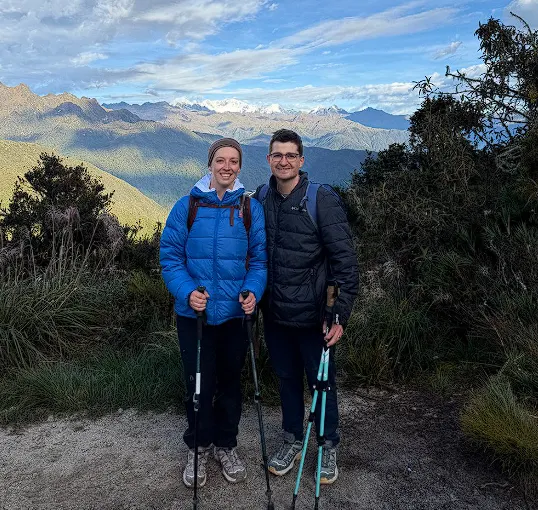
Dry season: best for high passes
May – September are the driest months; rains are rare, and trails are more stable. However, nights can be cold at high camps. These months are the most popular, so book permits 6–10 months in advance.
Shoulder season: fewer crowds
Late April / early May and late September / early October offer mild weather and fewer hikers. Trails can still be slippery with residual rain, but you enjoy lush scenery and better permit availability.
Wet season: rain and mud
November – April brings heavy rain. Slippery stones, swollen streams, and limited mountain views make the trail harder. The Inca Trail is closed every February for maintenance. If you travel in the wet season, pack waterproof gear and expect slower progress.
Costs, Permits, and Booking Guidance
Permit quotas
Only 500 permits per day are available for the classic trail, including about 200 hikers and 300 support staff. The Short Inca Trail has 250 permits per day. Permits are non‑transferable and sell out months in advance.
Release dates and booking timeline
Permits typically go on sale in October for the following year. For high‑season departures (May–August), book 6–10 months ahead. For shoulder seasons, 3–6 months is usually sufficient. Permits for the Short Inca Trail are generally easier to secure.
Cost breakdown
- Standard four‑day trek: USD 745–900 per person, including permits, guides, porters, camping equipment, meals, and transport.
- Luxury four‑day trek: USD 2,500+ for glamping comfort.
- Short two‑day trek: Typically cheaper; includes permits, train tickets, hotel, and guide.
Remember to budget for tips (USD 10–20 per porter, USD 30–40 per guide), extra nights in Cusco or the Sacred Valley, and optional train upgrades.
Packing and Safety Tips
Essentials for your daypack
Packing for the Inca Trail is all about layers and versatility. A detailed gear guide notes that hikers should be prepared for conditions ranging from cold to blazing hot in a single day. Important items include:
- 25–35 L daypack with rain cover.
- Waterproof hiking boots and trekking poles.
- Hydration reservoir (2 L).
- Layered clothing: base layer, fleece, insulated jacket, waterproof shell.
- Sun protection: hat, sunglasses, sunscreen, and neck gaiter.
- First‑aid kit, headlamp, personal toiletries, and passport.
Porters carry your duffel bag with sleeping bag, extra clothes, and camp shoes. Keep your weight within the allowance (around 7 kg). In luxury treks, duffel bags include glamping bedding and portable bathrooms.
Trail safety
- Stay on the path: The trail skirts steep drop‑offs. Watch your step and give way to porters.
- Pace yourself: A steady pace helps you acclimatize. Don’t race to camp; enjoy the views.
- Hydrate and eat: Drink at least 2 L of water daily and consume high‑energy snacks. Porters prvide boiled water at camp.
- Report symptoms: Guides carry oxygen and first aid kits; tell them immediately if you feel unwell.
Altitude safety
Serious altitude sickness is rare on the Inca Trail. However, mild symptoms like headaches or nausea are common. Monitor your condition, rest when needed, and descend if symptoms worsen. Travel insurance covering medical evacuation is highly recommended.
Luxury vs Standard vs Short: Which is Right for You?
All three treks require permits and must be booked through an authorized operator. Regardless of style, the scenic and cultural rewards are immense.
Plan Your Trek with Champions Peru Travel
Choosing the right operator can make all the difference. Champions Peru Travel is a Cusco‑based company specializing in Inca Trail treks, Machu Picchu hiking tours, and bespoke Peru itineraries. When you book with us, you benefit from:
- Experienced local guides: Our team grew up in the Andes and shares insider knowledge of Inca history and local traditions.
- Personalized options: Choose from classic, luxury, or short Inca Trail treks, as well as combinations with the Sacred Valley, Rainbow Mountain, and Amazon expeditions.
- Transparent pricing: Packages include permits, porters, meals, transportation, and accommodation. We help you understand costs and prepare for extras like tips or train upgrades.
- Safety and support: We carry oxygen and first aid kits, set realistic itineraries, and ensure our porters are well‑treated. Your health and comfort are our priority.
- Tailor made itineraries for USA travellers: We understand long‑haul flight schedules and can build itineraries that minimize jet lag and include time to explore Cusco, Lima, or other regions.
For travellers seeking a luxury experience, we provide premium tents, comfortable bedding, and gourmet meals without compromising on the authentic trail. For those short on time, our short Inca Trail itinerary covers the highlights and includes a hotel stay in Aguas Calientes. Whatever your style, we make sure you experience the magic of Machu Picchu at a pace that suits you.
Frequently Asked Questions
How difficult is the Inca Trail compared to other treks?
The Classic Inca Trail 4-day Trek is considered moderate to challenging. It’s shorter than alternative routes like the Salkantay Trek (74 km) but demands endurance due to altitude and stone steps. With training and acclimatization, most hikers complete it comfortably.
Can beginners hike the Inca Trail?
Yes. You don’t need technical climbing skills; a moderate fitness level and training of 8–10 weeks are enough. Take it slowly, use trekking poles, and listen to your body.
How high is the Inca Trail’s highest point?
The highest point is Dead Woman’s Pass at 4,215 m (13,828 ft). Oxygen levels here are about 60% of sea‑level, so acclimatization is essential.
Do I need to train on stairs?
Yes. The trail features long stone staircases. Practicing stair climbing helps strengthen your legs and knees. Include step‑ups and lunges in your training routine.
Are there age restrictions on the Inca Trail?
There is no official maximum age, but travellers should be fit enough to hike multiple days at altitude. Children over 10 often complete the trek, but parents should assess their child’s stamina and interest.
What happens if I get altitude sickness?
Licensed guides carry oxygen and first aid kits. Mild symptoms are common; serious cases are rare. Communicate with your guide, rest, and hydrate. In extreme cases, evacuation plans are in place.
What permits do I need?
You need an official Inca Trail permit. Only licensed operators can obtain these for you. Permits are limited to 500 per day for the classic trail and 250 per day for the Short Trail.
How far in advance should I book?
For dry‑season dates (May–August), book 6–10 months in advance. Shoulder seasons require 3–6 months. Permits go on sale in October for the following year.
Is the short Inca Trail easier than the classic trek?
It’s shorter (11–12 km) and requires only one day of hiking. However, the trail still climbs steeply and involves long stairs. It’s ideal for travellers with limited time or who prefer hotel accommodation over camping.
What should I pack for the Inca Trail?
Bring a 25–30 L daypack with rain cover, layered clothing, waterproof boots, trekking poles, a hydration system, sun protection, a first‑aid kit, and your passport. Porters carry your duffel. In luxury treks, bedding and bathroom items are provided.